

The architecture of spiritual succession
 Morris Mutendi
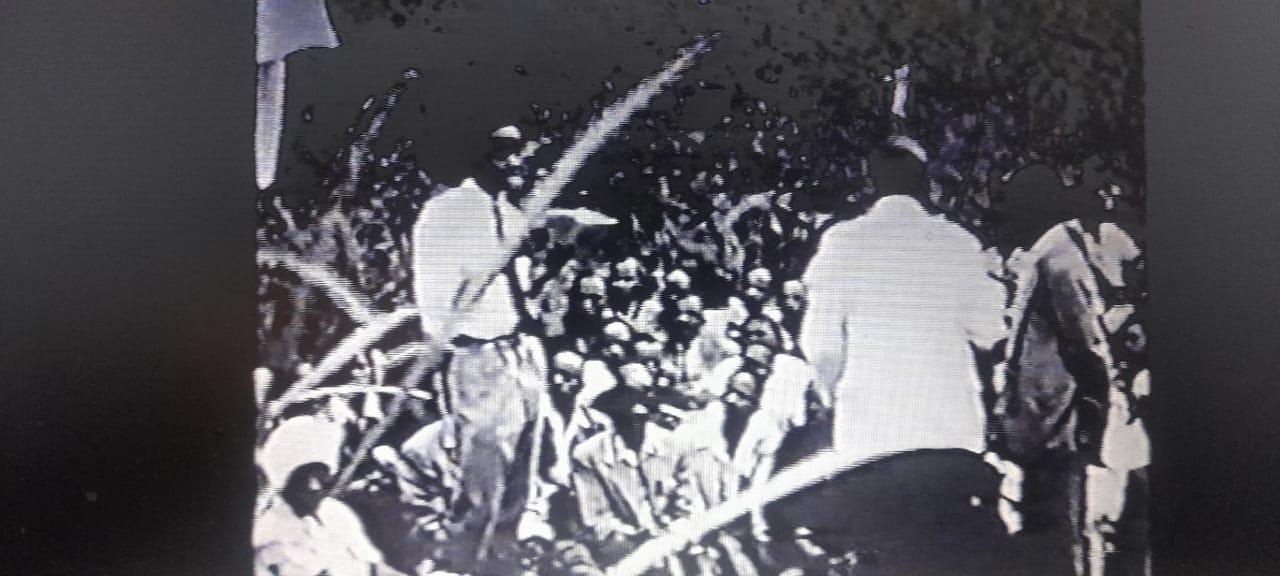
[Spotlight: The Baptismal Witness] A young Nehemiah Mutendi stands at the water's edge, intently reading from the Holy Scriptures, while Reverend Samuel Mutendi (Bambo Samere) administers the holy ordinance of baptism in the background.
The Architecture of Spiritual Succession: Why the Mantle Demands Proximity
To the casual observer, the transition of spiritual authority is often viewed as a singular, historic event. We mark a specific date on a calendar, point to a dramatic public ceremony, and declare that a new leader has emerged.
When the world witnessed the official transition of leadership in the Zion Christian Church on July 20, 1976, it was easy to view the appointment of Bishop Nehemiah Mutendi as an instantaneous moment where the mantle fell.
But in the economy of God, true spiritual leadership is never instantly manufactured; it is carefully formed . As the church approaches its historic 50-year Golden Jubilee, we must look past the public manifestation of 1976 and look deeply into the decades of silent, servant-hearted preparation that preceded it. The truth is simple: before a leader can command public authority, they must first master private submission.
1. The Biblical Law of Spiritual Apprenticeship
Scripture reveals that God does not pull leaders out of obscurity without a process of testing away from the public spotlight. This preparation requires a unique quality: Servant-Hearted Proximity.
The Lesson of the Water-Pourer
When the kings of Israel and Judah were facing an existential crisis and desperately needed a prophet to hear from God, they did not look for political status or academic credentials. Instead, look at how the successor to Elijah was identified in the word of God:
"But Jehoshaphat said, 'Is there no prophet of the Lord here, that we may inquire of the Lord by him?' And one of the king of Israel's servants answered and said, 'Elisha the son of Shaphat is here, who poured water on the hands of Elijah.'" — 2 Kings 3:11
Elisha was not introduced by his preaching style or theological degrees; he was recognized by his proximity and his humility. For years, his primary ministry was washing his mentor’s hands, carrying his bags, and watching his daily character. He served in the mundane, and that is where his spirit was conditioned to handle the double portion.
The Lesson of the Tent-Dweller
We see the exact same pattern in the wilderness with the transition from Moses to Joshua. Joshua was destined to conquer nations, yet his training ground was characterized by quiet, unwavering presence:
"So the Lord spoke to Moses face to face, as a man speaks to his friend. And he would return to the camp, but his servant Joshua the son of Nun, a young man, did not depart from the tabernacle." — Exodus 33:11
When Moses returned to the camp to deal with administration, young Joshua stayed behind in the quiet shadow of the sacred space. He chose proximity. Long before the mantle was officially placed on his shoulders, he was quietly absorbing the invisible, crushing weight of leadership.
2. Reading the Word in the Shadow of the Founder
This biblical blueprint is precisely what shaped the modern history of the Zion Christian Church. Long before 1976, a young Nehemiah Mutendi walked the exact path of Elisha and Joshua—not merely as a biological son, but as an intentional apprentice to his father, the legendary founder, Reverend Samuel Mutendi (Bambo Samere).
In the deep archives of the church, there is a profound photograph that perfectly captures this dynamic of servant-hearted proximity. The image features a young Nehemiah reading the Bible as Samuel baptizes someone.
This photograph is not merely a historical record; it is a profound theological message captured on film. Look closely at the order of the roles:
- The Humility of Service: The young apprentice is not demanding the microphone or seeking the center stage of the ordinance. He is standing by the water, filling a critical but supportive role.
- Anchoring the Mentor's Action: By reading the scriptures aloud during the baptism, Nehemiah is literally anchoring his father's active ministry in the written Word of God.
- Absorbing the Weight: Standing that close to Bambo Samere in the middle of a sacred sacrament meant that the young apprentice was close enough to hear his father's prayers, feel the solemnity of the covenant, and witness firsthand the spiritual gravity required to govern a movement.
3. The Fruit of the Silent Years
True transitions do not reinvent the wheel; they carry the original fire into a new generation. Because Bishop Nehemiah spent those early years watching, serving, and reading the scriptures in the shadow of the founder, he did not come to alter the foundations when his hour arrived.
The 50-year Golden Jubilee is the direct fruit of those silent years. The star did not change its light when the leadership shifted; it simply grew brighter because the character of the successor had been anchored in the deep, unshakeable waters of servant-hearted proximity. Before he ever led the nation, he stood faithfully by the water, reading the book, and honoring the path.
Categories
Read More
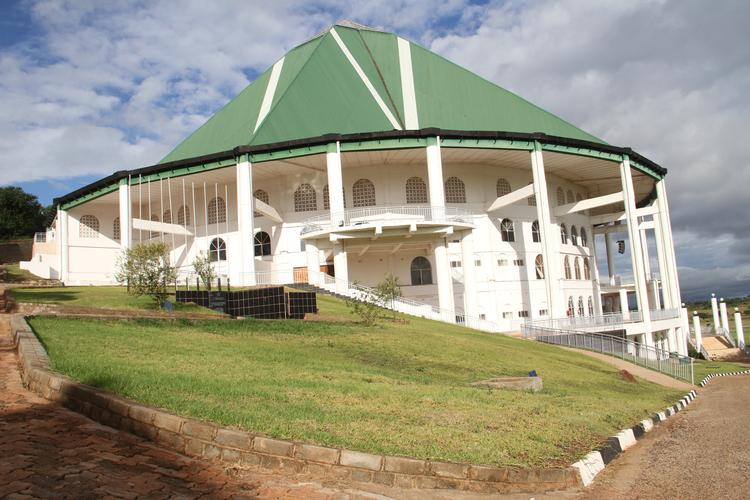
Herald April 21, 2011 Mbungo Conference Centre in Bikita, Masvingo.The centre has 5 000 square metres of conference space, which accommodates 40 000 people. The conference centre, built using locally mobilised resources, will also have catering facilities, a guest house, library and a communications centre. According to church officials, preliminary estimates showed that the conference...
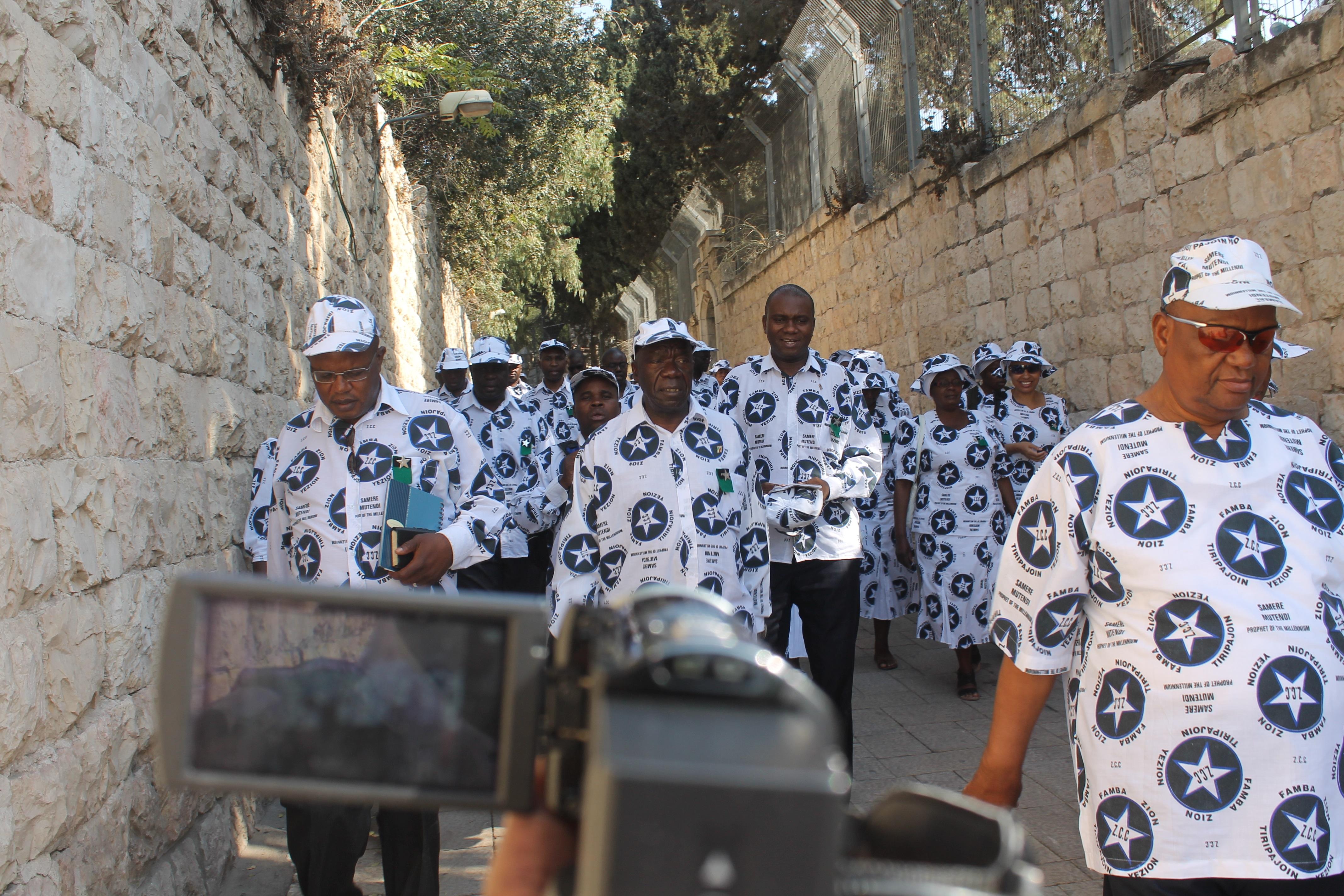
For thousands of believers, the scriptures provide a foundational map for life, but nothing quite compares to the moment that map transforms into a physical landscape. When the Bishop leads a delegation of congregants on a holy pilgrimage to Israel, it is more than a standard tour—it is a profound spiritual migration, a translation of ancient text into living history. From the quiet,...
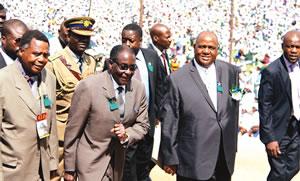
When history records the architects who built modern Zimbabwe, it often categorizes leadership into distinct silos: the political and the spiritual. Yet, looking closely at the legacy of the late President Robert Mugabe and His Grace Bishop Dr. Nehemiah Mutendi, a profound, unifying thread emerges. Long before they assumed their heavy mantles as statesmen and global spiritual fathers, both...
The iconic Dopota Star magazine, a publication that has become an important voice within the Zion Christian Church community, has now entered a new digital era. Followers and readers can now access electronic copies of selected Dopota Star articles directly through the ZCCMbungo.com platform, making the publication more accessible to members across Zimbabwe and the global diaspora. For years,...

The Majestic Architecture of the Mbungo Cathedral Driving along the Mutare-Masvingo highway, traveling through the rolling landscape of Bikita, it is impossible to miss the majestic spectacle that commands the horizon. Rising magnificently from the hills of Mbungo Estates is a towering, world-class green and white sanctuary that stands as the absolute administrative and spiritual capital of the...