Walking the Holy Topography
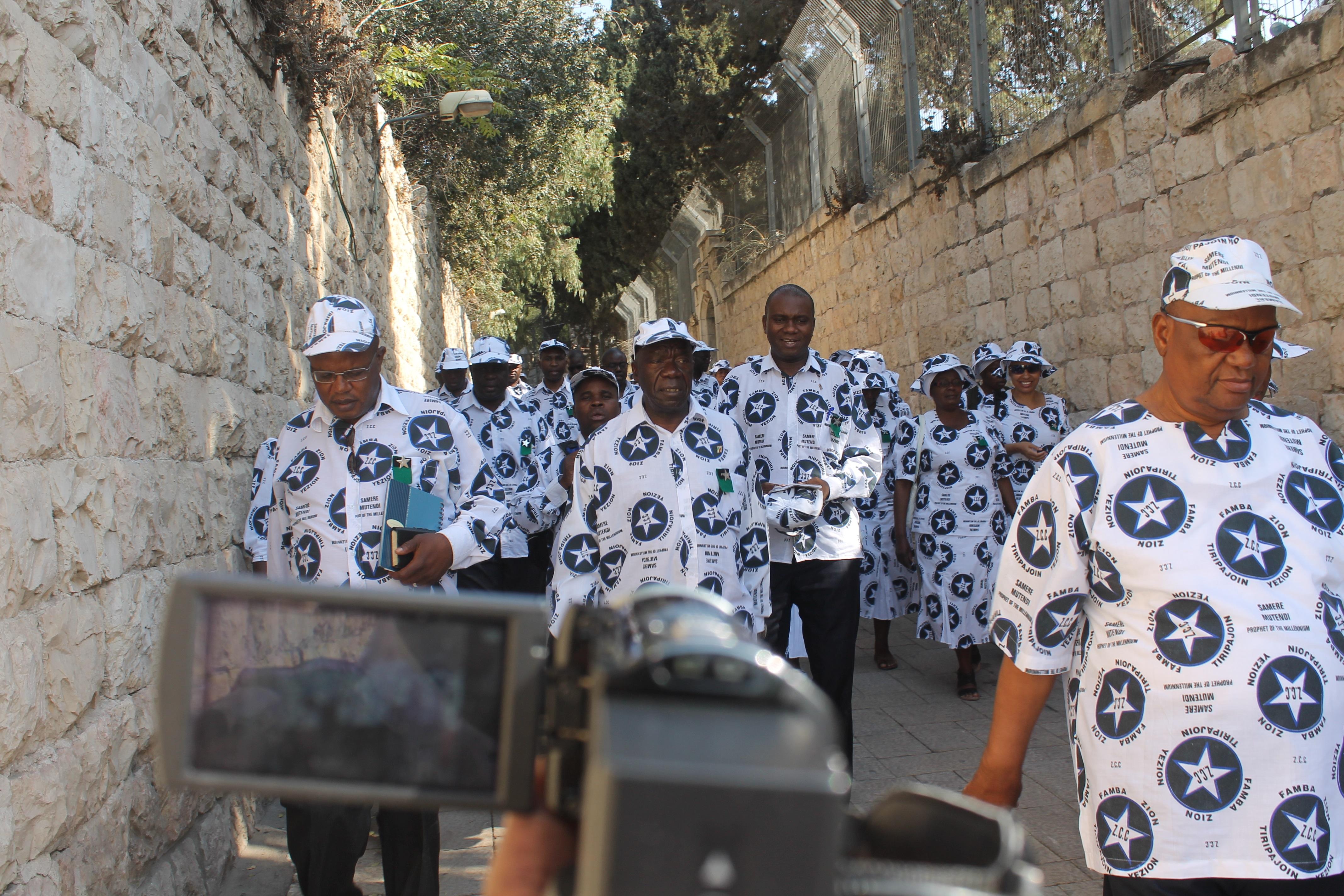
For thousands of believers, the scriptures provide a foundational map for life, but nothing quite compares to the moment that map transforms into a physical landscape. When the Bishop leads a delegation of congregants on a holy pilgrimage to Israel, it is more than a standard tour—it is a profound spiritual migration, a translation of ancient text into living history.
From the quiet, deeply rooted faith centers of home to the bustling historic gates of Jerusalem, the journey represents a bridge between African indigenous expression and the historical cradle of the Christian faith.
Walking the Holy Topography
The itinerary of a pastoral pilgrimage to Israel is intentionally designed to trace the path of salvation history. For congregants traveling under the guidance of their spiritual father, each geographical landmark serves as a living altar.
-
Jerusalem: Entering the Old City through historic gates, pilgrims walk the cobblestones of the Via Dolorosa, reflecting on the stations of the cross. Standing near the ancient Western Wall and visiting the Garden Tomb, the historical realities of the crucifixion and resurrection shift from theological concepts into tangible, emotional moments.
-
The Sea of Galilee: Out on the quiet waters where Christ calmed the storm and called his first disciples, the Bishop often leads intimate sessions of prayer and reflection. The serene environment contrasts with the dense history of Jerusalem, offering a space for deep personal introspection.
-
Capernaum and the Mount of Beatitudes: Walking through the basalt ruins of Peter’s hometown and sitting on the hillsides where the Sermon on the Mount was delivered, the teachings of Christ take on a distinct spatial reality.
The Significance of the Jordan River
In the tapestry of African Zionist and apostolic theology, the Jordan River (Jorodani) holds an unparalleled symbolic weight. It represents the boundary between promise and realization, a site of cleansing, and the origin of Christ’s public ministry through baptism.
When the Bishop and his congregants gather at the banks of the actual Jordan River, the moment is charged with immense spiritual gravity. Dressed in white, singing traditional choruses that have echoed across African hillsides for decades, the pilgrims step into the waters. For many, being immersed in the same river where John the Baptist baptized Jesus is the emotional and spiritual peak of the entire journey. It is a renewal of vows, a sealing of faith, and a physical alignment with biblical precedent.
A Legacy Transmitted
A pilgrimage led by the Bishop is also an educational masterclass for the church's leadership and baseline believers alike. Throughout the tour, the Bishop steps into the role of both shepherd and historian, unpacking the complex layers of biblical archaeology, geography, and prophecy.
"We do not come to Israel to look at old stones; we come to encounter the living spirit that animated those stones."
This experiential learning alters how congregants read the Bible forever. When they return home to their local assemblies, they return as witnesses. They carry back a vivid, firsthand testimony that enriches the spiritual fabric of the entire community, ensuring that the insights gained in the Holy Land ripple outward to inspire those who remained at home.
Ultimately, the Bishop’s trip to Israel with his congregants reinforces a timeless truth: while faith can thrive anywhere, standing where the feet of Christ trod anchors that faith in an unforgettable reality.

Categories
Read More
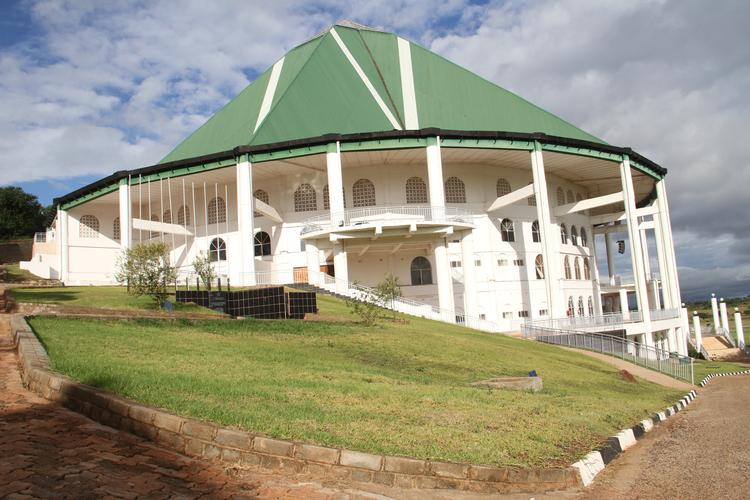
When you travel along the Mutare-Masvingo highway and look out into the rolling hills of Bikita, your eyes are immediately struck by a magnificent, towering spectacle. Rising majestically from the landscape of Mbungo Estates is a green and white world-class cathedral and conference center that can hold over 15,000 people inside its walls. This breathtaking complex did not appear by chance. It...

The iconic Dopota Star magazine, a publication that has become an important voice within the Zion Christian Church community, has now entered a new digital era. Followers and readers can now access electronic copies of selected Dopota Star articles directly through the ZCCMbungo.com platform, making the publication more accessible to members across Zimbabwe and the global diaspora. For years,...

A Living Testament of Faith Welcome to Fambazion, a digital sanctuary and living archive dedicated to documenting the extraordinary journey of the Zion Christian Church (ZCC). This platform was built not just to look back at where we have been, but to claim ownership of our story, following the humble and powerful lessons of building and visionary leadership demonstrated by Bishop Nehemiah...

The Majestic Architecture of the Mbungo Cathedral Driving along the Mutare-Masvingo highway, traveling through the rolling landscape of Bikita, it is impossible to miss the majestic spectacle that commands the horizon. Rising magnificently from the hills of Mbungo Estates is a towering, world-class green and white sanctuary that stands as the absolute administrative and spiritual capital of the...
For thousands of believers, the scriptures provide a foundational map for life, but nothing quite compares to the moment that map transforms into a physical landscape. When the Bishop leads a delegation of congregants on a holy pilgrimage to Israel, it is more than a standard tour—it is a profound spiritual migration, a translation of ancient text into living history. From the quiet,...